Industry Logistics Iraq: Supporting Industrial Growth and Supply Chain Resilience
The advancement of Industry Logistics Iraq has become a crucial element in the country’s industrial development and economic transformation. As Iraq works toward rebuilding its infrastructure and expanding non-oil sectors, industrial logistics plays a central role in ensuring that raw materials, machinery, and finished products move efficiently across the supply chain. Without reliable logistics systems, industrial growth would face significant limitations.
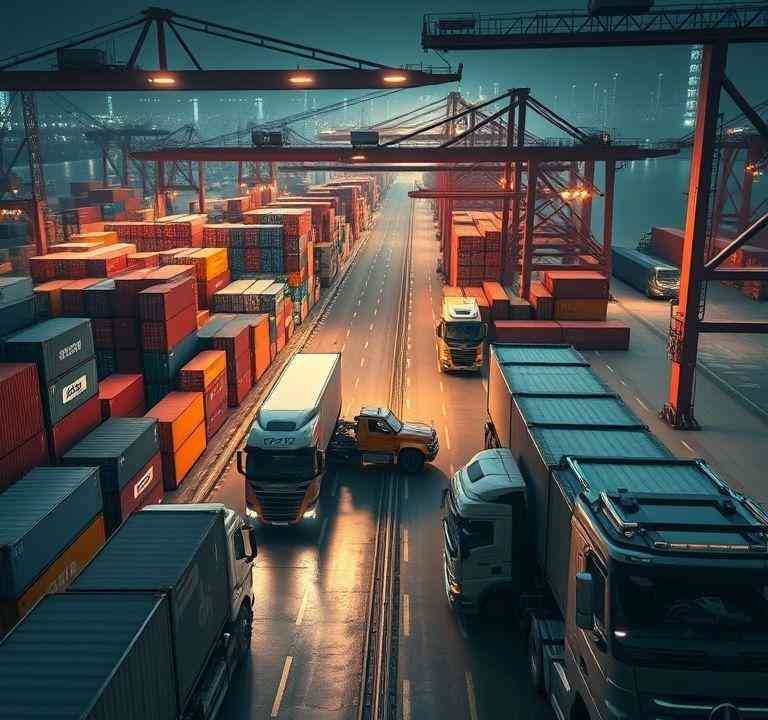
The Role of Industry Logistics in Iraq’s Economy
Industrial activity depends heavily on efficient logistics operations. Industry Logistics Iraq supports key sectors such as oil and gas, construction, manufacturing, power generation, and heavy industry. These sectors require specialized logistics solutions capable of handling oversized cargo, heavy equipment, hazardous materials, and time-sensitive deliveries.
By enabling smooth material flow, industry logistics improves productivity and reduces operational disruptions. This reliability is essential for maintaining continuous production and meeting project deadlines in large-scale industrial operations.
Industry Logistics Iraq and Infrastructure Development
Infrastructure development and Industry Logistics Iraq are closely connected. Industrial projects require the transportation of construction materials, machinery, and technical equipment across long distances and challenging environments. Well-planned logistics solutions ensure that these materials reach project sites safely and on time.
Road networks, industrial zones, ports, and airports all contribute to industrial logistics efficiency. As Iraq continues to invest in infrastructure modernization, logistics providers can offer more effective solutions that support industrial expansion and regional connectivity.
Specialized Transportation Solutions
One of the defining characteristics of Industry Logistics Iraq is the need for specialized transportation. Industrial cargo often exceeds standard dimensions and weight limits, requiring customized transport planning. Heavy haulage, project cargo management, and multimodal transport solutions are essential components of industrial logistics operations.
Logistics providers coordinate route surveys, permits, escort services, and equipment selection to ensure safe and compliant transport. These services reduce risks and ensure smooth execution of complex industrial projects.
Warehousing and Industrial Storage
Warehousing is a critical component of Industry Logistics Iraq, especially for industries that rely on continuous supply of materials and spare parts. Industrial warehouses store raw materials, tools, and finished goods under controlled conditions to prevent damage and loss.
Strategically located warehouses near industrial zones and project sites reduce lead times and improve operational efficiency. Many industrial logistics providers also offer inventory management and just-in-time delivery services, helping companies optimize stock levels and reduce storage costs.
Industry Logistics Iraq and the Oil and Gas Sector
The oil and gas industry remains one of the largest drivers of Industry Logistics Iraq. Exploration, drilling, refining, and maintenance activities require complex logistics coordination. Equipment, pipes, chemicals, and spare parts must be delivered precisely according to project schedules.
Industrial logistics providers support this sector by offering end-to-end solutions, including transportation, warehousing, customs clearance, and site delivery. Their expertise ensures compliance with safety standards and industry regulations.
Technology in Industry Logistics Iraq
Technology is increasingly shaping Industry Logistics Iraq by improving visibility and control over supply chains. Digital tracking systems allow real-time monitoring of industrial shipments, enhancing planning and decision-making. Advanced logistics software supports route optimization, inventory management, and performance analysis.
Automation and data-driven processes reduce errors and improve efficiency, particularly in large-scale industrial operations. As technology adoption grows, industrial logistics in Iraq becomes more reliable and competitive.
Challenges Facing Industry Logistics Iraq
Despite its importance, Industry Logistics Iraq faces several challenges. Infrastructure gaps, regulatory complexity, and security considerations can impact logistics performance. Managing cross-border shipments and coordinating with multiple stakeholders adds further complexity.
Another challenge is the shortage of skilled logistics professionals with experience in industrial operations. Addressing this issue requires investment in training and workforce development to meet the growing demands of the industry.
Industry Logistics Iraq and Industrial Diversification
As Iraq seeks to diversify its economy, Industry Logistics Iraq supports the growth of manufacturing, renewable energy, and industrial processing sectors. Efficient logistics enables factories to access raw materials and distribute finished products to domestic and international markets.
Industrial logistics also supports value-added activities such as assembly, packaging, and light manufacturing, contributing to job creation and economic resilience. These capabilities reduce dependency on imports and strengthen local industries.
Investment and Private Sector Participation
Private sector investment plays a vital role in advancing Industry Logistics Iraq. Local and international logistics companies bring expertise, technology, and capital to the market. Investment in specialized equipment, industrial warehouses, and logistics hubs raises service standards and expands capacity.
Public-private partnerships can further strengthen the industrial logistics ecosystem by improving infrastructure and regulatory frameworks. These collaborations support long-term industrial development.
Future Outlook of Industry Logistics Iraq
The future of Industry Logistics Iraq is closely linked to industrial growth and infrastructure expansion. As industrial projects increase in scale and complexity, demand for professional logistics services will continue to rise. Sustainable logistics practices, such as optimized transport routes and energy-efficient operations, are expected to gain importance.
With strategic planning, technological adoption, and workforce development, industrial logistics can become a competitive advantage for Iraq’s economy.
Conclusion
In conclusion, Industry Logistics Iraq is a foundational pillar of industrial development and economic progress. By supporting key industries, enabling complex projects, and improving supply chain efficiency, industrial logistics contributes directly to Iraq’s long-term growth. Continued investment, modernization, and skilled expertise will ensure that Industry Logistics Iraq remains a driving force behind the country’s industrial future.